
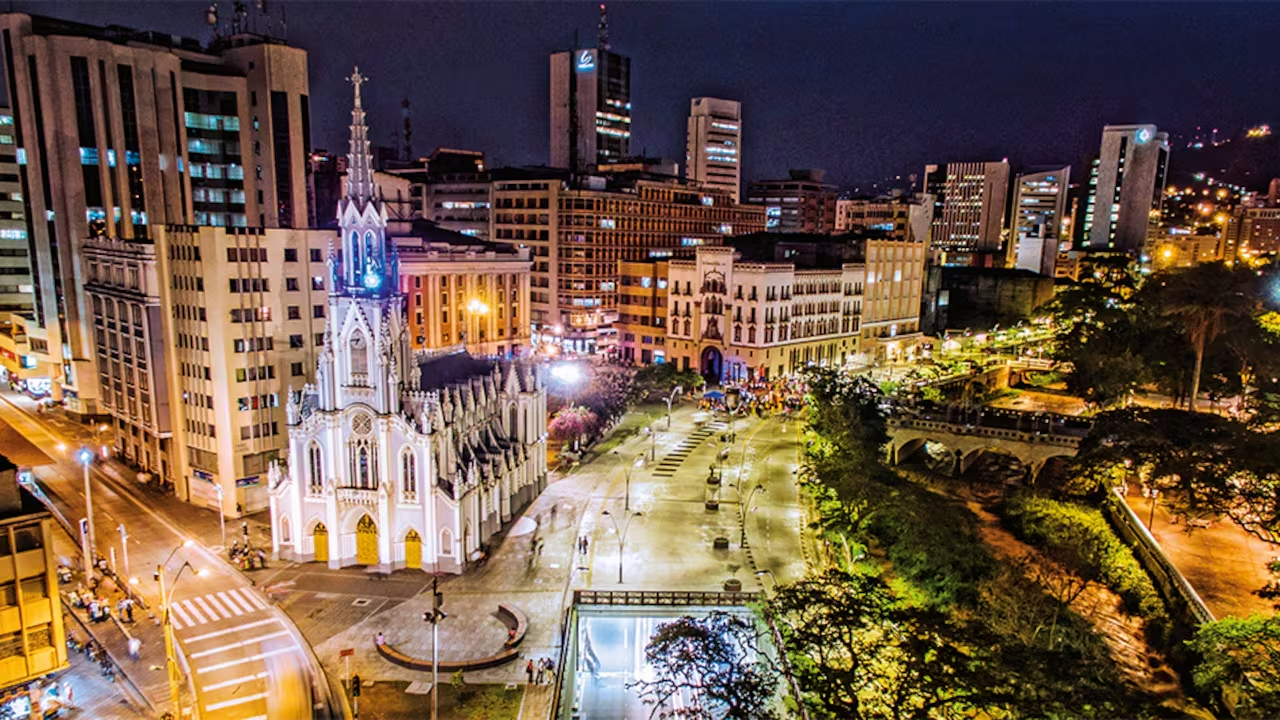
CALI, COLOMBIA, SOUTH AMERICA
The City of salsa and Birds.
Santiago de Cali, commonly known as Cali, is Colombia’s third-largest city and a vibrant cultural, economic, and industrial hub in the Valle del Cauca region. It is globally renowned for several distinct characteristics, drawing from its rich history, cultural identity, and natural surroundings. Below is an overview of what makes Cali well-known, based on its prominent attributes:

1. Salsa Capital of the World
- Why it’s famous: Cali is celebrated as the “Salsa Capital of the World,” a title earned through its deep-rooted passion for salsa music and dance. The city developed its unique style, salsa caleña, characterized by fast footwork, rhythmic hip movements, and acrobatic flair. Salsa permeates Cali’s culture, from street parties to professional dance schools like El Manicero and Swing Latino.
–
Key events:
- La Feria de Cali (December 25–30): This annual festival, started in 1957 after the tragic Cali explosion, is one of Colombia’s biggest cultural events, featuring salsa parades, concerts, and the Salsódromo, where top salsa schools perform. It attracts global visitors and boosts tourism.
-
World Salsa Festival (September): Showcases over 5,000 dancers, highlighting Cali’s dance prowess.Nightlife: Neighborhoods like Juanchito and clubs such as Tin Tin Deo, Zaperoco, and La Topa Tolondra are famous for all-night salsa parties where locals and tourists dance together.
-
Cultural impact: Salsa caleña reflects Cali’s ethnic diversity, blending African, Indigenous, and European influences. The Museo de la Salsa in Barrio Obrero offers insights into its history, tracing its roots from Cuban and Puerto Rican influences via New York in the 1970s

2. Cultural and Historical Significance
- Rich history: Founded in 1536 by Spanish conquistador Sebastián de Belalcázar, Cali is one of the oldest cities in the Americas. Its colonial past is evident in neighborhoods like San Antonio, with its bohemian vibe, colonial architecture, and vibrant street art.
- Cultural landmarks:
- Centro Cultural de Cali: Designed by renowned architect Rogelio Salmona, it serves as the city’s cultural hub, hosting tourism and culture initiatives.
-
Museums: The La Tertulia Museum (modern art), Calima Gold Museum (pre-Columbian artifacts), and La Merced Archaeological Museum highlight Cali’s artistic and historical depth.
-
Religious sites: The Ermita Church, with its neo-Gothic design, and Iglesia de San Antonio, known for its 17th-century carved-wood statues, are iconic.
-
Festivals: Beyond salsa, the Petronio Álvarez Festival (August) celebrates Afro-Colombian culture through marimba music and traditional dance, reflecting Cali’s significant Afro-Colombian population.
-
Recognition: In 2019, Cali won the World Travel Awards as a top cultural travel destination in South America, noted for its cultural, sporting, and touristic offerings.

3. Sports Capital of Colombia
- Historical context: Cali earned the title of Colombia’s Sports Capital after hosting the 1971 Pan American Games, a pinnacle of its civic orderliness. It has since hosted major events like the 2013 World Games, the 2016 FIFA Futsal World Cup, and the 2021 Junior Pan American Games.
- Sporting venues:
- Deportivo Cali: The only Colombian football club to own its stadium, a point of pride for the city.
-
Coliseo El Pueblo and Coliseo Evangelista Mora: Used for futsal, basketball, and other events.
-
Football culture: Home to clubs like Deportivo Cali and América de Cali, the latter ranked as the world’s second-best club in 1996 by the IFFHS. Cali has hosted 40 Colombian first-division finals, more than any other city.
-
Recreational sports: Basketball is popular at “La Carrera del Cholado,” and bullfighting draws crowds during the Cali Fair.

4. Natural Beauty and Outdoor Activities
- Geography: Located in the fertile Cauca Valley at 1,000 meters above sea level, Cali enjoys a tropical savanna climate with warm days (average 26°C) and cool nights, surrounded by the Farallones de Cali mountains and the Cauca River.
- Key sites:
- Cerro de las Tres Cruces: A popular hiking spot at 1,480 meters, offering city views, an outdoor gym, and fresh juices.
-
Parque de los Gatos: A riverside park with iconic cat sculptures, including Hernando Tejada’s “El Gato del Río,” symbolizing Cali’s quirky charm.
-
Farallones de Cali National Park: A biodiversity hotspot with jungle, rivers, and rare flora like orchids and bromeliads, ideal for nature escapes.
-
Río Pance: A clear river popular for swimming and barbecuing, serving as Cali’s “city beach.”
-
Proximity to nature: Cali is just two hours from the Pacific coast (Buenaventura) and near coffee farms and towns like Popayán and Palmira, making it a base for day trips.

5. Culinary Scene
- Diverse cuisine: Cali’s food reflects its multicultural heritage (Spanish, African, Indigenous), with dishes like empanadas, sancocho (soup), cholado (fruit dessert), and aborrajados (sweet pastries). The city is also known for lulada (lulo fruit drink) and chontaduro (an aphrodisiac fruit).
-
Gastronomic hubs: Neighborhoods like Granada and San Fernando are famous for restaurants, while Mercado Alameda offers fresh seafood dishes like cazuela de mariscos.
-
Pacific influence: Restaurants like Domingo and Restaurante Ringlete highlight slow-food Pacific dishes, such as encocado (coconut seafood stew).

6. Economic and Industrial Hub
- Strategic location: Cali’s position in the Cauca Valley, near the port of Buenaventura, makes it a key transportation and logistics center, connected by the Pan-American Highway. It hosts over 180 multinational companies and accounts for significant foreign trade.
-
Cauca Valley Corporation (CVC): Since 1954, this autonomous body has driven agricultural and industrial growth through irrigation, hydroelectric power, and flood control, modeled after the Tennessee Valley Authority.
-
Medical tourism: Cali is a prime destination for affordable cosmetic surgery, with about 50,000 procedures in 2010, 14,000 for international patients.


